The Beginners Guide to Sustainability Transformations
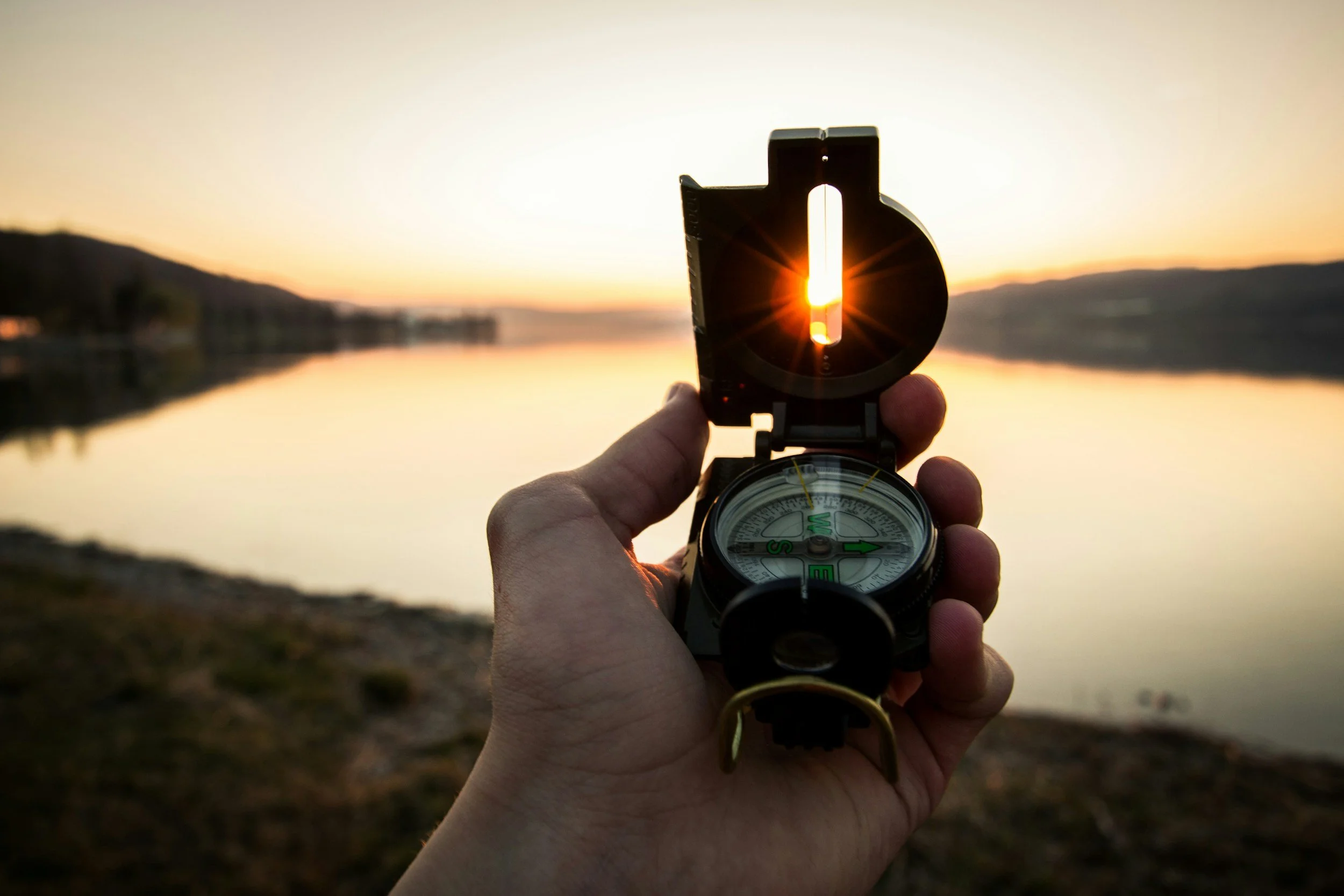
„It doesn‘t matter how slowly you go as long as you do not stop“..
We all have been taught - including me - that change towards a sustainable development paradigm must be done with urgency. The house is on fire, remember? Climate crisis, biodiversity loss, social injustice are all global issues that are not slowing down, actually are worsening by the day.
Still, when you approach boards and investors with this kind of energy, the reaction is not so different than the one you would have if you saw a rambling man down the street holding a „repent, the end is near“ sign.
When that dynamic happens, the sense of urgency is lost completely. The intention to act quickly vanishes for good. You find defending yourself, bringing up environmental data, potential negative impacts, long term doomsday scenarios, attempting to get things going. You try to scare them into action, but often the result is to get even more resistance from your leadership. Every chance to show you how things are not as bad as you depicted them will be taken against you. Every time it‘s possible to slow down, postpone or revert the strategic decisions taken because of your perceived sense of urgency, be sure that someone is going to do exactly so.
Ten years ago I used to think of 2030 as a sort of final deadline in my mind. Working as a young sustainability manager in a large carbon emitting company, I would have felt responsible and utterly disgusted by being associated with such a company if it didn‘t decarbonise completely by 2030. So I poured myself into work, trying to jump-start and speed up a transition towards low carbon out of nowhere. Needless to say it, it got bumpy pretty quickly. Years passed and carbon emissions weren‘t cut completely. Nevertheless, it turned out to be a great gym for me and a first-of-its-kind, tree-shaking opportunity for the company. Ultimately it led to some positive changes that are still bearing fruits today.
Based on that experience (and a few more), I can now write this little guide for others who might be in a similar situation. So, let‘s approach a sustainability transformation like a challenging mountain hike. Here‘s what to do:
Get up early - Being a first mover has always advantages. Less competition and a great head start. If the hike is expected to be long, you ought to start as early as possible. Quietly you must get your gear ready and head out alone. Don‘t make a big deal out of it, the initial discomfort of starting something that no one else is doing will go away fast. Don‘t wait for some new ESG regulation to wake everybody up. By the time the others are on trail, you will have gained speed, clarity and experience.
Don‘t carry too much weight - You don‘t need a big backpack or many gadgets. As sustainability leader you need to be agile. Those who move only with a large team, two consulting firms in support and four different digital platforms for KPI collection and reporting are slow and can easily get thrown off by budget cuts. You need essential and practical tools. If you can use what is already available around you, even better. Classic example: don‘t seek approval for brand new specific software. Sure it gives you visibility in the organisation, but it also becomes a liability when it doesn‘t work or gets outdated. Take instead what the organization has to offer for free as much as you can. Spend resources only on things that actually accelerate your journey.
Bring your own lunch - Also when talking about resources, don‘t rely on others‘ food. During a sustainability transformation, intended as real business transition, a long term effort is required and everyone has to play its part. No free riders. For example, if investments into renewable energy assets are made, it doesn‘t mean that the old fossil plant operations managers can sit back and do nothing. They also have to contribute to reduce emissions.
Read the signs - Others went through this before you. There are clearly defined (climate) pathways you can follow. In some case even mandatory ones. You can be the early bird, but still you need to know where you are going. You need a map and you have to be able to read it.
Be patient - Hikes takes time. On a mountain hike, as well as in a sustainability journey, you reach your destination after sweating for a while. If you know where you are, you don‘t have to keep asking „how long till the end?“ At some point you will be about to sit down in despair, ready to quit. If you do so you‘ll get vulnerable and your body - or organisation - won‘t get up again. Manage your pace and carry on. It doesn‘t matter how slowly you go as long as you do not stop“.
Stay on trail - You might want to make a detour or take a shortcut. Fine, as long as it doesn‘t become a habit. Wandering around is not hiking. Assess your resources and plan in advance which detours you can afford. Otherwise you won‘t complete your transformation, you‘ll just get very tired and lost.
Save your breath - Sure, sharing is caring. Anyway talking about your transformation and your expectations over and over drains your energy and slows you down from keep walking. Share what is needed only when is needed, both inside and outside your group.
Listen around you - Don‘t make noise, rather keep an ear on what‘s moving around you. For example, don‘t brag about your journey while still at it. Be aware of what‘s up, which dangers might be near, what is changing along the way. Whether you call it „materiality assessment“ or „horizon scanning“ make sure you are ready to listen. Often people just want to hear what they want and completely misunderstand the situation they are in.
Walk down the slopes slowly - It feels good when you reach a nice panoramic spot, but things are still complicated. For example, once you hit a strategic target or successfully raised above your competition, don‘t get arrogant. Overconfidence can be very dangerous. Stay focused and carefully keep going. A successful transformation is also given by the ability to come down from the heights without feeling dizzy.
Leave it better than you found it - Great, you‘ve made it. Here is your destination in front of you. Your organisation completed the journey and now what? Well, whatever it is, make sure you are improving the place, as you are going to stay here for a while. If the sustainability transformation was about building a low carbon business for example, make sure it does not create problems to others around. Help solving any issue that you found when you arrived. Make all this effort count for you and for those who‘ll come there in the future.